
Safer Charging
Battery-aware control and continuous system protection.
Intelligent Charging Systems
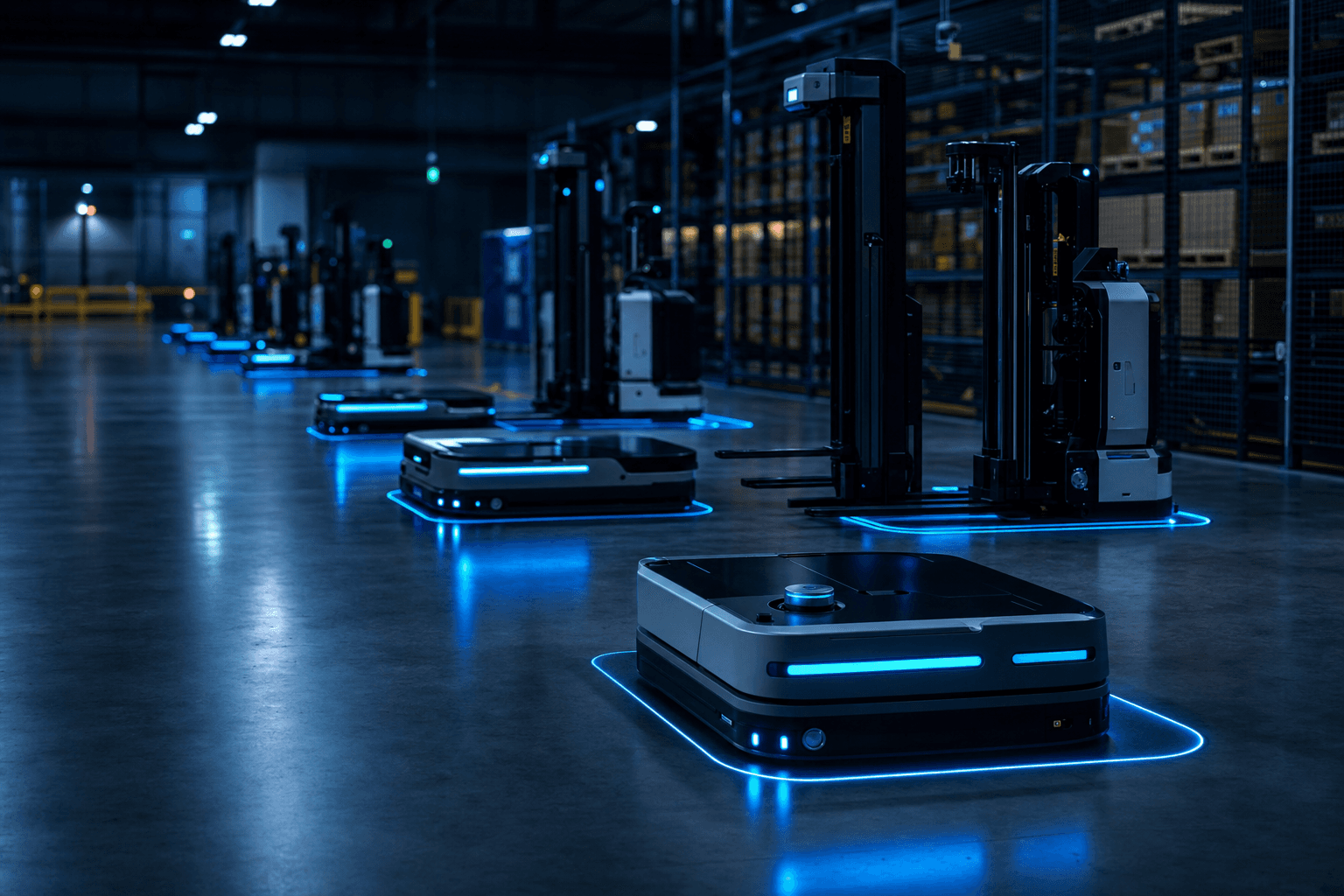
SiCore intelligent charging systems coordinate batteries, charging stations, mobile equipment, and fleet-level operations through adaptive charging algorithms and real-time system intelligence.
From a single autonomous machine to an entire robotic fleet, the platform helps deliver safe, efficient, and continuously optimized charging.
Fleet Management
Availability 85%
18
Online
7
Charging
9
Ready
1
Fault
Intelligent Charging Workflow
Battery Status
Monitor SOC, voltage, temperature, and battery condition.
Charging Decision
Evaluate demand, priority, and station availability.
Power & Charge Profile
Select the optimal charging strategy for the mission.
Charging Execution
Deliver power safely under controlled limits.
Monitoring & Diagnostics
Track performance and detect faults in real time.
Fleet Optimization
Optimize schedules, queues, and energy demand.
01
Optimized Charging for Every Battery and Mission
Charging algorithms determine how power is delivered throughout the charging cycle. The system dynamically adjusts voltage, current, power, and charging duration according to battery condition, operating requirements, and available charging time.
Rather than applying one fixed charging profile, the platform supports adaptive strategies that balance charging speed, battery health, safety, and equipment availability.
02
Battery-Aware Charging and Protection
Battery management connects charging decisions with the real condition of the battery. The system monitors voltage, current, temperature, state of charge, and battery status to keep power delivery within safe operating limits.
By using battery feedback in real time, charging behavior can be adjusted to reduce stress, prevent overheating, and support longer battery life.
03
Coordinated Charging Across Multiple Machines
Charging scheduling coordinates charging demand across robots, vehicles, and charging stations based on battery level, task priority, station availability, and operational schedules.
This helps reduce charging congestion, avoid unnecessary downtime, and improve overall fleet utilization through queue management and priority-based scheduling.
04
Connected Charging Across the Entire System
Reliable communication allows the charger, battery, robot, host controller, and fleet management system to exchange operating data and charging commands.
The communication layer enables identification, authorization, parameter configuration, status reporting, and coordinated control across devices and platforms.
05
Real-Time Visibility into Charging Performance
Diagnostics continuously monitors charging behavior, system status, operating conditions, and fault events to help identify abnormalities and reduce service time.
Historical operating data also supports preventive maintenance, performance analysis, and future charging optimization.
Intelligent Charging Benefits
Battery-aware control and continuous system protection.
Adaptive charging reduces unnecessary electrical and thermal stress.
Machines receive energy according to mission priority and demand.
Real-time diagnostics and coordinated scheduling keep equipment in service.
Better utilization and fewer disruptions reduce operating cost over time.
Intelligent. Adaptive. Reliable.
Build a charging system that keeps autonomous machines productive — from battery-aware control to fleet-level coordination.
More Technology Platforms
Advanced wireless power technologies engineered for efficient, reliable, and scalable energy transfer — from physics and magnetics to control and system integration.
Enabling seamless docking solutions that eliminate manual plug-in charging for autonomous machines.
Designed to fit your product — charging solutions that integrate naturally into existing machines, from prototype to mass production.