Artículo wiki · Colección 05
Programación Inteligente de Energía
Referencia técnica sobre Programación Inteligente de Energía para el diseño, integración e implementación de sistemas de energía inalámbrica.
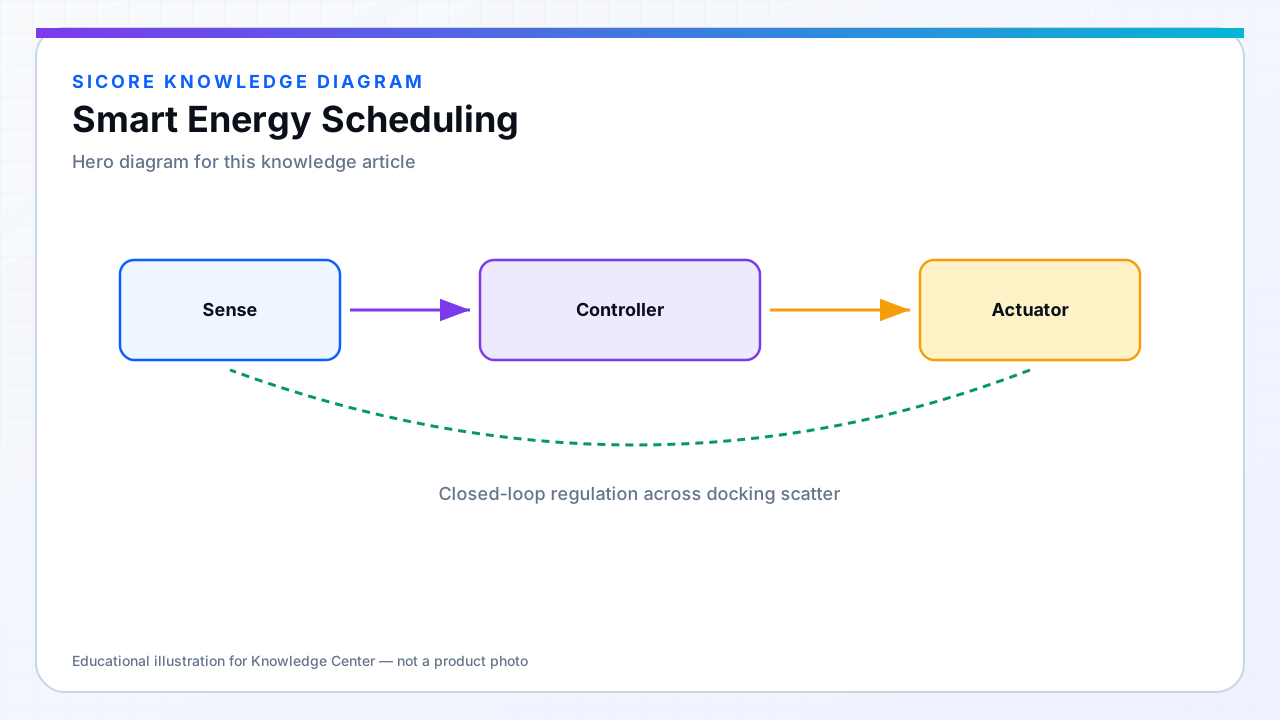
Smart energy scheduling sits above the power electronics: it decides which AGV/AMR receives charge now, which waits, and at what power cap given upstream breaker limits, on-site solar, or time-of-use pricing.
Wireless docks are fast to engage — scheduling leverage comes from knowing dwell time at station, next mission deadline, and state of charge across the fleet.
01Inputs to the scheduler
- Mission queue and route ETA from fleet management software.
- Per-vehicle SOC, battery health tier, and minimum departure energy.
- Site power budget: main feed, phase balance, and shared transformer headroom.
- Tariff windows, demand charges, and optional renewable availability forecasts.
02SiCore coordination
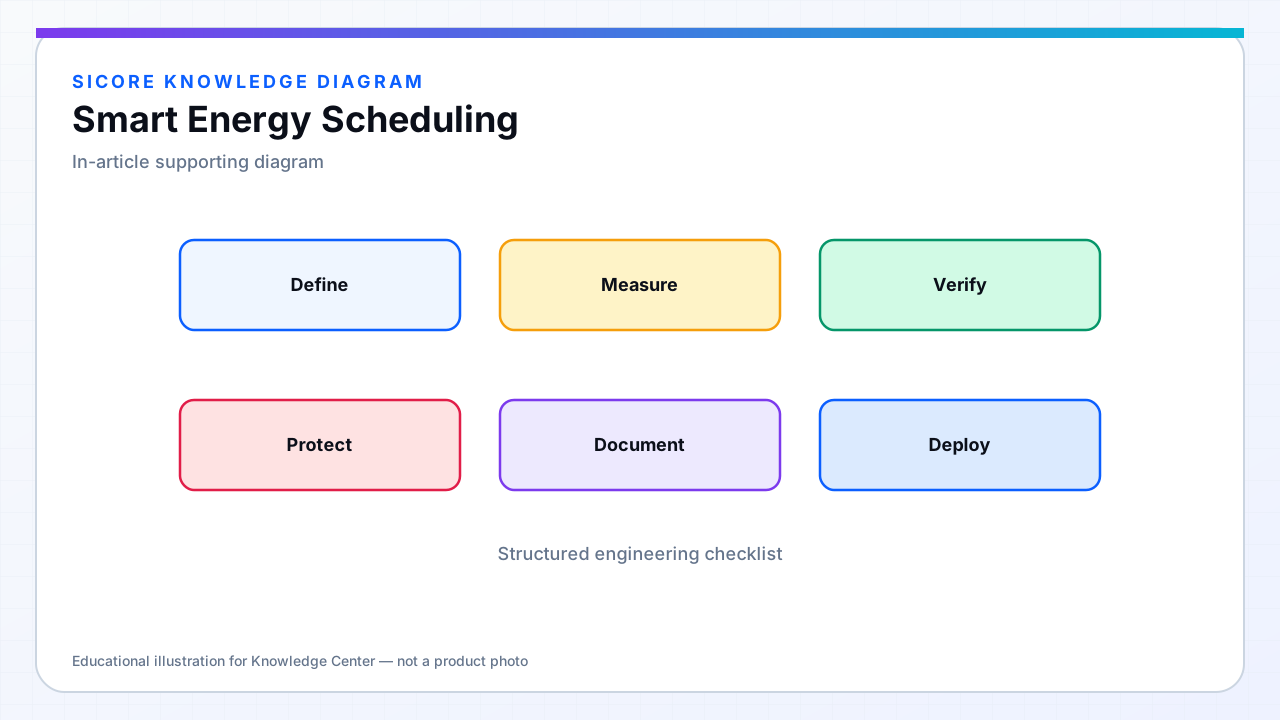
Docks expose controllable setpoints — max power, target SOC, pause/resume — over fleet APIs. The scheduler writes intentions; each dock's local controller enforces FOD, thermal, and battery-safe execution. Distributed control prevents a central outage from leaving robots unsafe on energized pads.
03Practical outcomes
Peak-shift robots get priority fast charge; idle units trickle during expensive rate periods. Multi-pad aisles load-balance so installing wireless does not trip facility breakers when every AMR returns for lunch simultaneously.