
Wiki article · Collection 02
Frequency Selection
Engineering reference on Frequency Selection for wireless power system design, integration, and deployment.
6 minArticle 04/16Resonant WPT
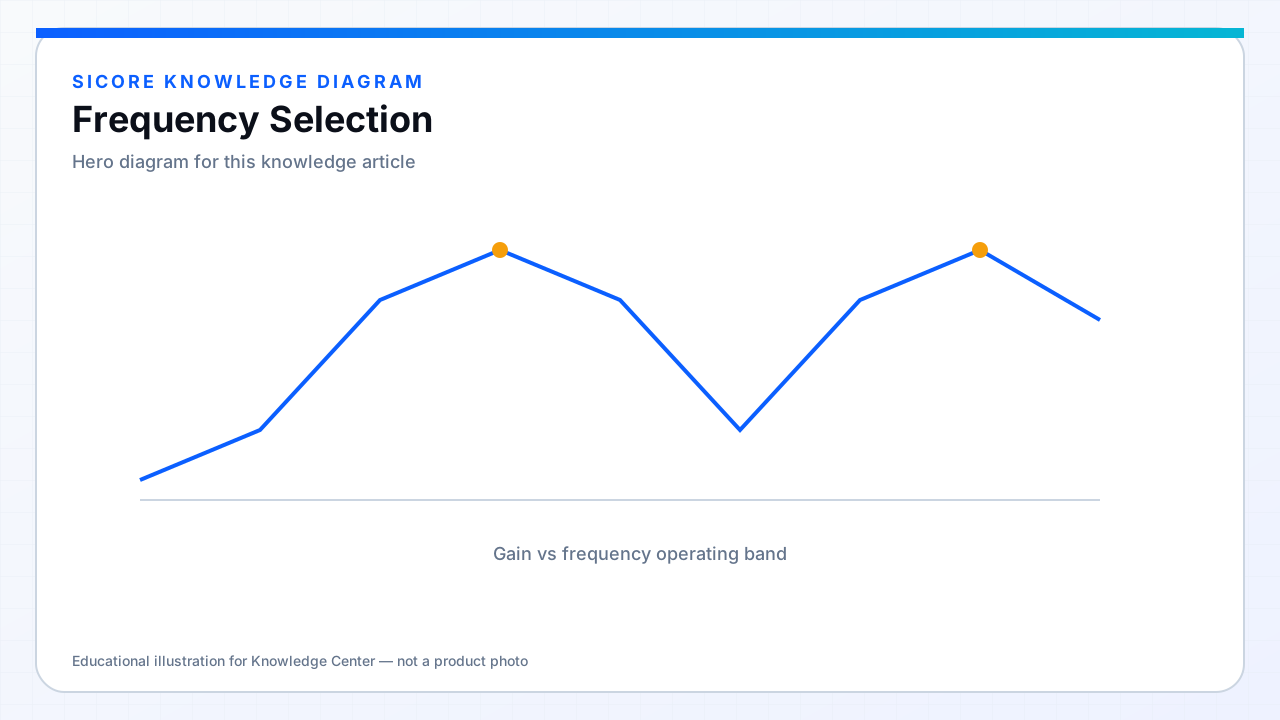
Operating frequency sets the size of magnetics, the difficulty of soft switching, skin/proximity loss in copper, and which EMI limits apply. Industrial resonant chargers commonly sit in tens to low hundreds of kilohertz; consumer Qi bands and automotive bands each carry their own constraints.
01Trade-offs when you raise frequency
- Smaller L and C for the same reactance — more compact tanks.
- Higher switching loss unless soft switching is solid.
- Worse skin and proximity effects unless conductors are engineered (Litz, PCB strategies).
- EMI shifts: conducted and radiated compliance change with harmonic content.
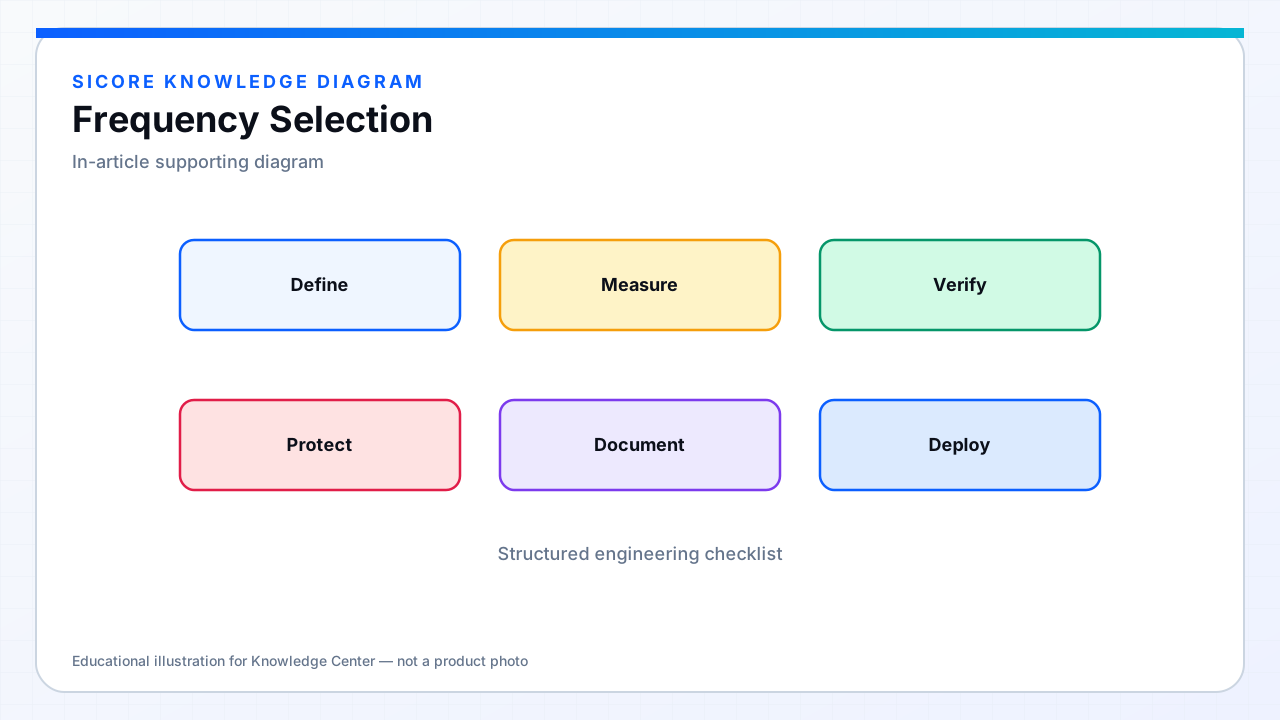
02Selection checklist
Start from power class, gap, coil area, semiconductor technology (Si / SiC / GaN), and the regulatory environment of the site. Then pick a frequency where ZVS is achievable across the load range and where magnetics stay cool. Frequency is a system decision — not a marketing preference.